
Beyond Biophilia: Leveraging Cultural Identity to Future-Proof Urban Environments
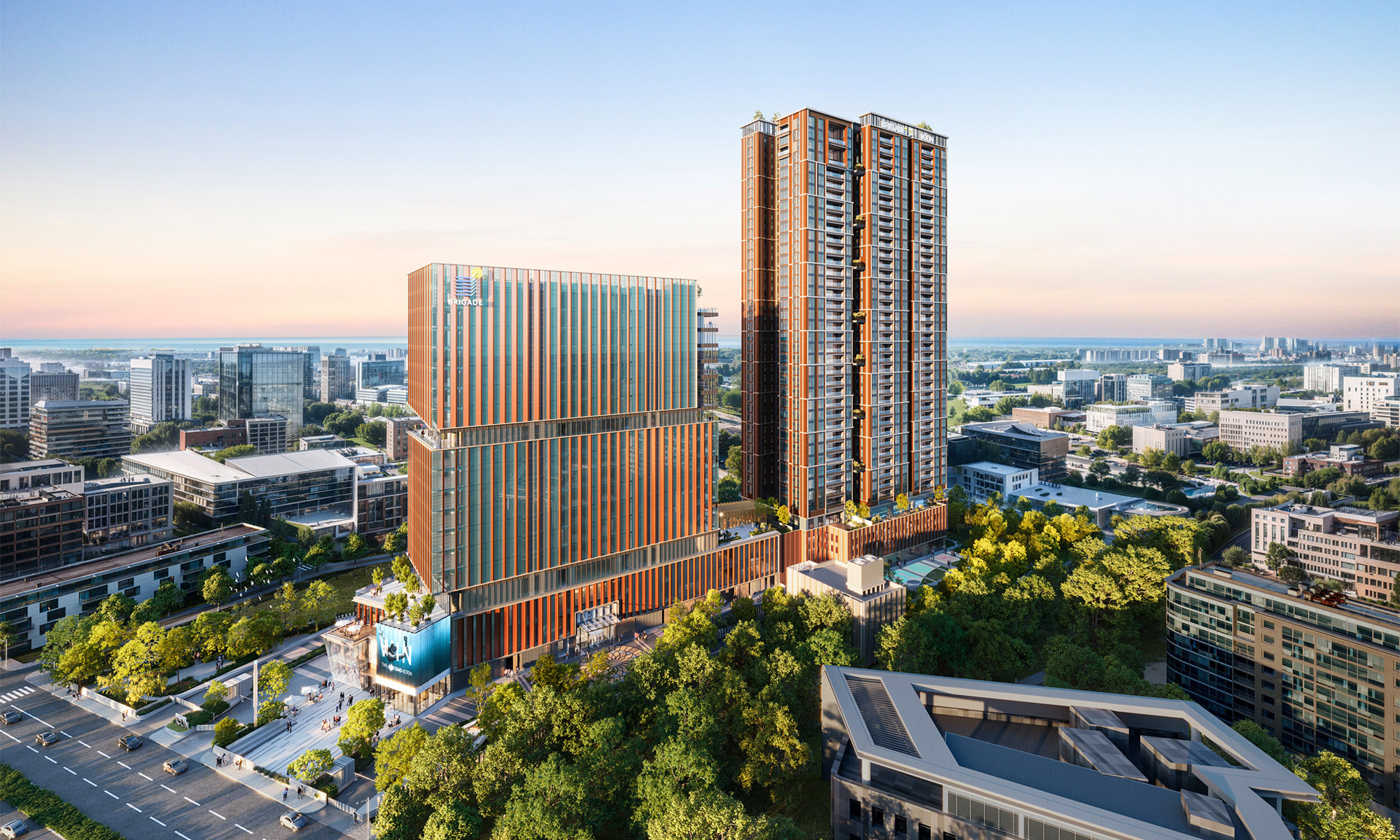
Brigade Icon: A design that blends modern and traditional elements inspired by Chennai’s historical architecture and gemstones, creating a unique visual identity and contributing to Chennai’s evolving landscape.
As cities face significant environmental challenges and rapid economic development, architects and urban planners are exploring innovative solutions to create resilient and sustainable communities.
The traditional biophilic design provides notable benefits. However, it often neglects the complex cultural dimensions of urban living. As such, adopting a holistic approach that integrates cultural identity into urban planning becomes increasingly vital.
Through the thoughtful integration of local traditions, heritage and social narratives into the built landscape, we can create environments that efficiently respond to their ecological and economic needs and deeply resonate with the communities they serve. Today, it is a strategy that promotes vibrant, meaningful, and sustainable urban developments that thrive culturally, economically, and environmentally.
Understanding Biophilia and its Limitations
Psychologist Edward O. Wilson popularised the concept of Biophilia, which emphasises the human innate connection to nature.
In the urban landscape context, biophilic design incorporates natural elements, such as green spaces, green roofs, water bodies, and biodiversity-rich ecosystems, into cityscapes.
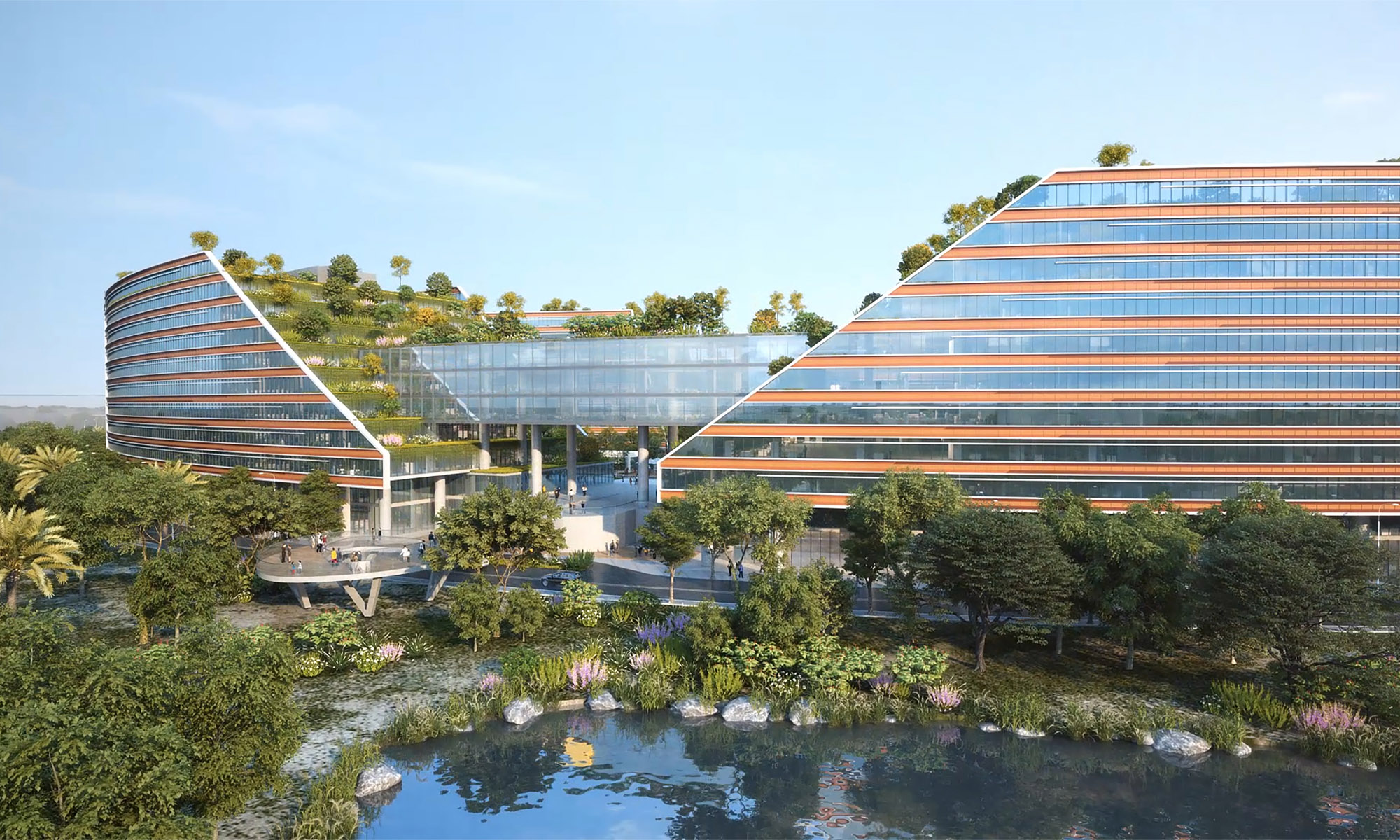
South Solarium stands out as an innovative, modern office space that caters to the well-being of the new workforce and to nurture a holistic connection with nature.
It is a proven approach that has effectively addressed some pressing urban challenges, including improving quality of life, mitigating environmental degradation, and enhancing resilience against contemporary environmental challenges.
Although biophilic design addresses ecological aspects and contributes significantly to urban regeneration, it neglects the vital role that cultural identity holds in shaping thriving communities.
A city’s urban fabric should encompass ecological features, historical narratives, community values, and cultural practices that give meaning to spaces and unite residents. For urban environments to be truly resilient, designers must expand their approach beyond ecological solutions alone, incorporating culture as a fundamental element in creating vibrant, inclusive, and sustainable communities.
Cultural Identity as a Pillar of Urban Planning
Every city is enriched by its unique cultural assets, which are deeply woven into its history, traditions, and social fabric. Recognising the crucial role these assets play in urban development can significantly enhance community engagement, fostering inclusivity, pride, and unity among residents.
By integrating cultural identity into urban design (through architecture, public spaces, and community initiatives), cities evolve from mere physical environments into vibrant communities that resonate with the values and stories of their inhabitants.
Embracing cultural identity not only enriches urban life but also ensures that urban planning remains relevant, meaningful, and responsive to the community’s needs. In doing so, cities can cultivate a sense of belonging that strengthens the bonds among residents and enhances the overall quality of life.
Strategic Approaches: Integrating Cultural Identity into Urban Design
Integrating cultural identity into urban design requires strategic approaches that harmoniously balance the inclusion of natural elements with urban demands. These strategies ensure that cities meet their functional requirements, respect their historical integrity and celebrate their unique cultural landscapes.
Culturally Responsive Architecture
Employing vernacular architecture enhances the cultural identity of urban areas, reflecting local traditions, materials, and design principles that are unique to each region. This approach reinforces historical integrity while addressing contemporary urban demands.
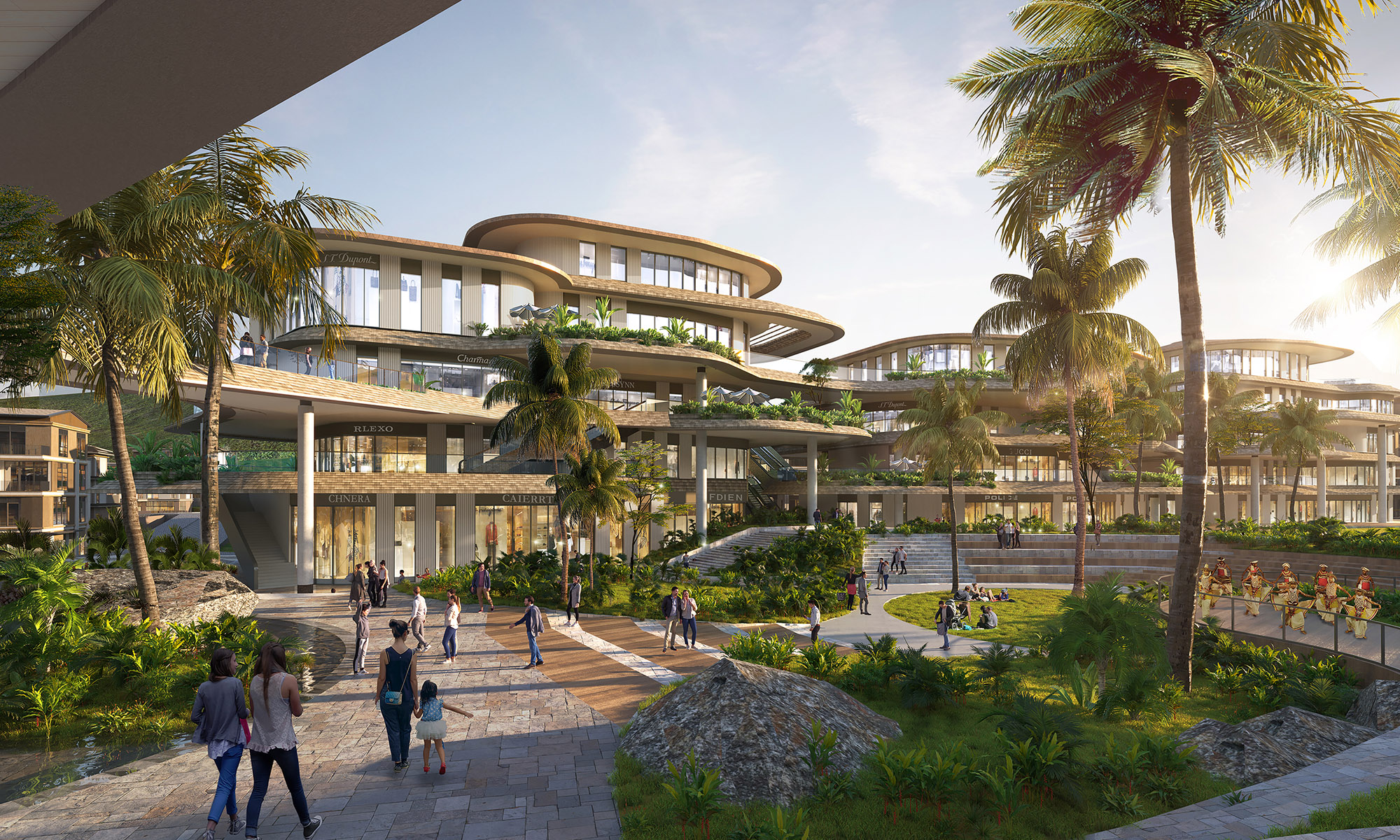
Starfish – Dreamy beachfront living on a tropical island city
At Starfish in Phu Quoc, the retail façades draw inspiration from traditional Vietnamese architecture, featuring pitched roofs, deep overhangs, and louvered shading systems. These elements are not just aesthetic; they are climate-responsive features that reduce direct solar gain, lower cooling loads, and improve pedestrian comfort.
This vernacular language reinforces local identity while delivering practical environmental performance, aligning with the government’s green tourism agenda and enhancing community resonance with the built environment.
Community-Driven Public Spaces
Public spaces designed with cultural significance in mind foster stronger community connections, creating dynamic venues for cultural events, markets, and gatherings. Such spaces become integral parts of the urban landscape, enriching everyday urban life.
Storytelling through Urban Art
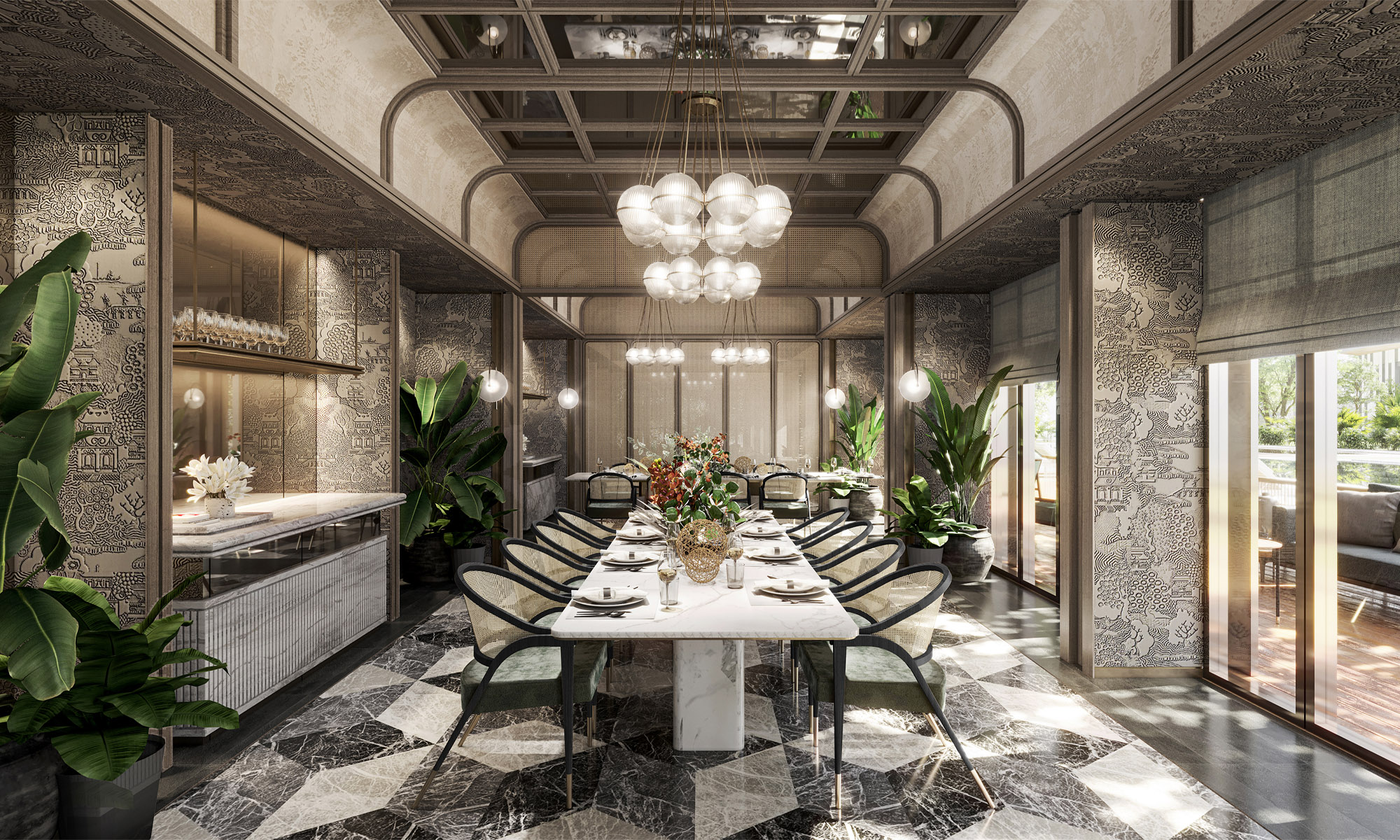
Hai Hoa Beach Resort features interiors that honour the Bronze Age culture of Dong Son, showcasing a nautical-inspired design theme. This blend creates a unique interior design identity that reflects cultural authenticity and historical significance.
Integrating cultural identity through art transforms city spaces into vibrant expressions of community heritage. This strategic approach encourages residents and visitors to engage deeply with the urban fabric, generating lasting social value.
Promotion of Cultural Economies
Supporting local markets, artisan crafts, and traditional practices stimulates economic growth while preserving cultural heritage. Such initiatives reinforce the community’s cultural identity and contribute meaningfully to urban vitality.
Culturally-Informed Market Response
While cultural identity is often viewed through a historical or heritage lens, it also evolves with the preferences, behaviours, and aspirations of contemporary communities. Therefore, market demand reflects the living culture.
Designing in alignment with what people value allows architects and developers to create environments that are both economically viable and culturally resonant.
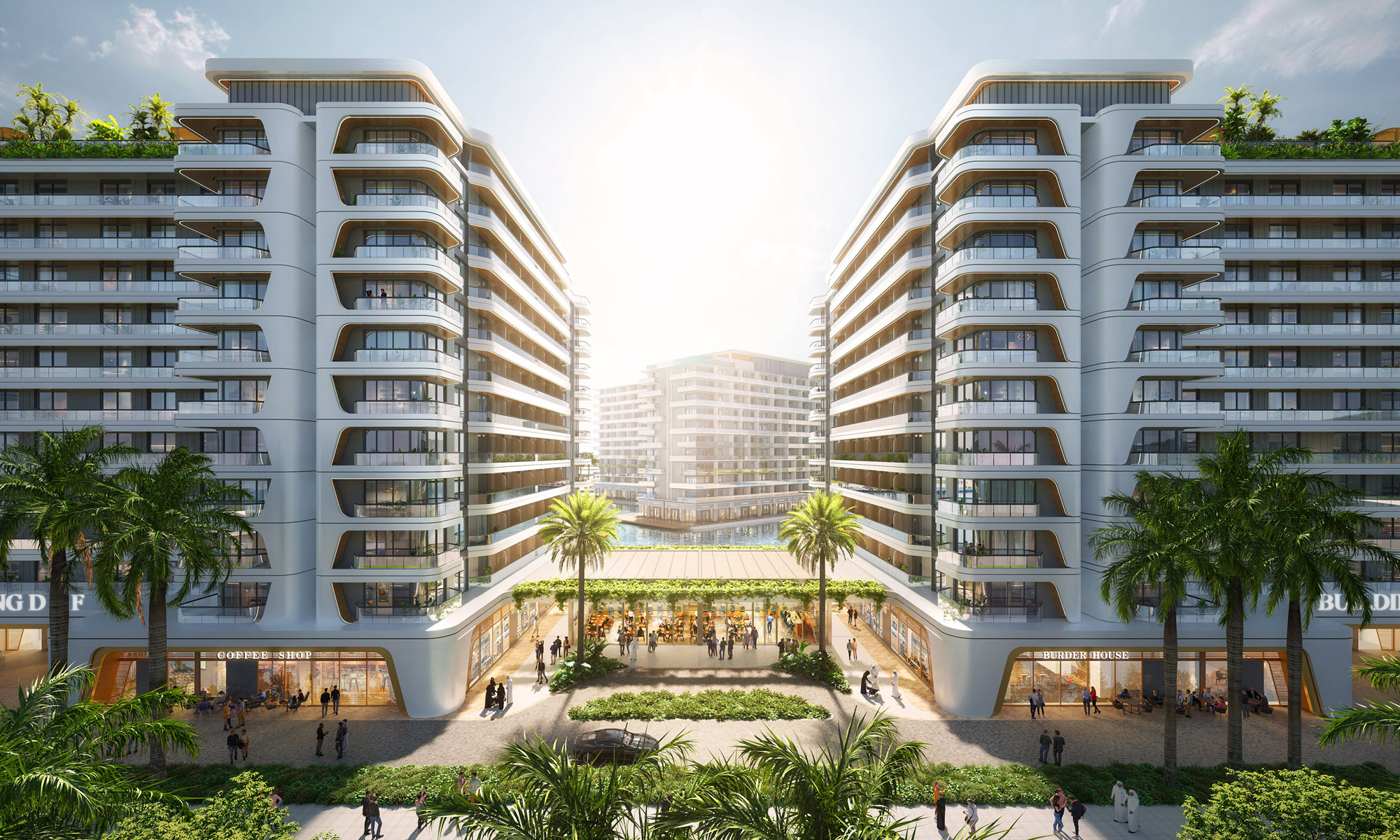
For instance, the Azizi Precinct 002 development in the UAE responds directly to the region’s rising preference for waterfront living, a lifestyle deeply associated with luxury, prestige, and leisure in Gulf culture. By offering a unique blend of lagoon-facing residences, vibrant retail integration, and community-oriented public spaces, the development addresses modern lifestyle needs while reinforcing cultural values of hospitality and status.
A culturally informed market response ensures that urban design creates authentic places that connect with people’s identities, balancing commercial viability with deeper cultural engagement and making cities more livable, loved, and enduring.
Designing for Identity and Return: The ROI of Culturally Responsive Architecture
Culturally responsive design is a strategic investment.
Developments that resonate with local identity attract stronger emotional buy-in, foster higher occupancy rates, and outperform standard typologies in long-term value. By integrating architectural cues that reflect place-based heritage and community values, projects can command premium pricing, strengthen brand loyalty, and support resilient, adaptive neighbourhoods.
From the waterfront vitality of Azizi Precinct 002 to the vernacular integrity of Starfish, SOG’s projects show that cultural alignment leads to tangible financial outcomes, demonstrating that what is meaningful is also marketable.
The Future of Urban Environments
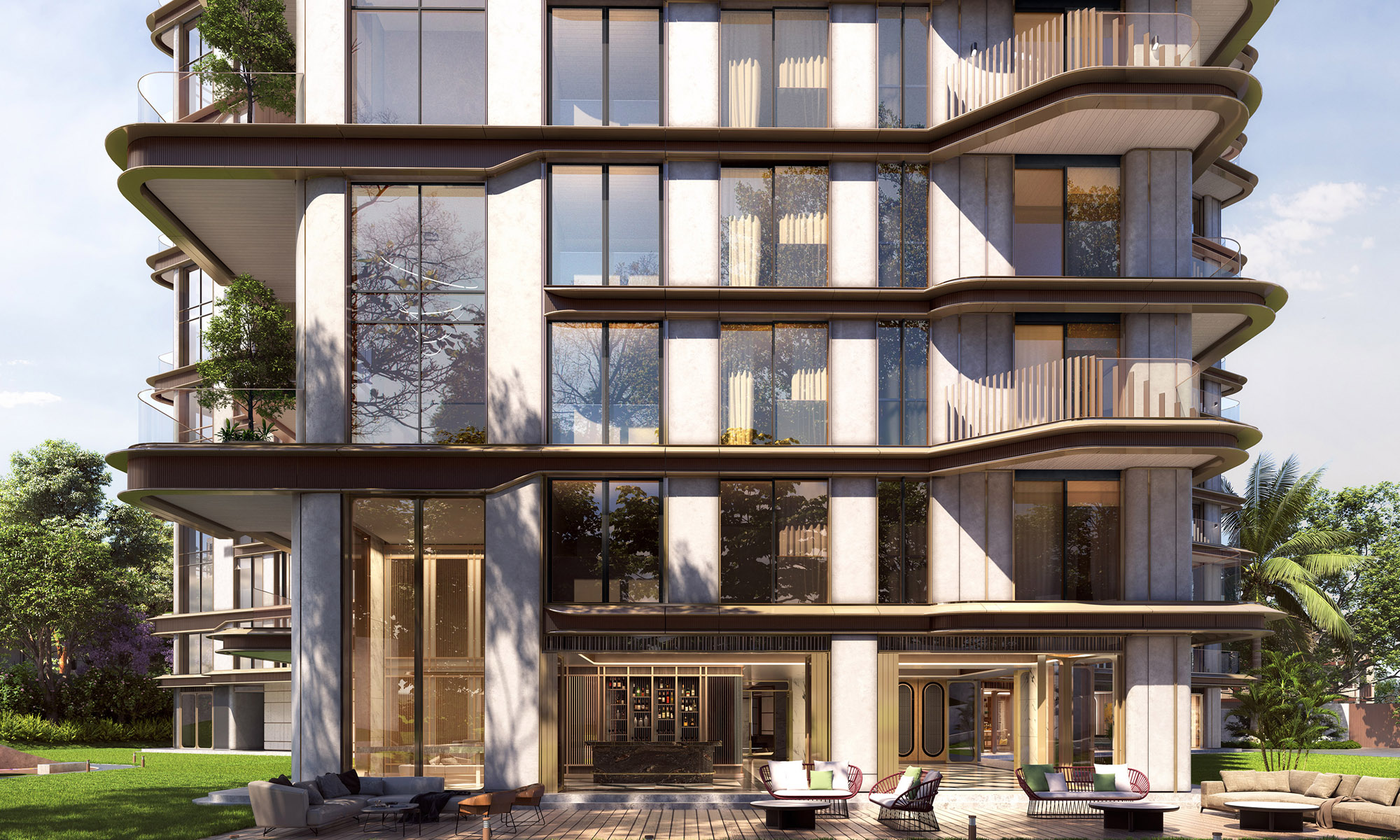
Embracing the future while celebrating a rich heritage: 27 Summit, pays homage to the elements of old Bangalore architecture to create a modern, iconic look.
Embracing cultural identity in urban design is essential for long-term viability and sustainable development. By balancing tangible elements and intangible heritage, cities can foster meaningful cultural engagement, creating communities that reflect the shared memories and values of their inhabitants.
Integrating cultural identity into urban planning not only enhances the urban experience but also cultivates a sense of belonging and pride among residents. Sustainable development encompasses more than just environmental factors; it involves preserving local traditions, rituals, and knowledge systems. Prioritising cultural engagement makes urban environments inclusive, resilient, and rich in significance.
As cities evolve, architects, planners, and policymakers must acknowledge the critical role of cultural identity in shaping dynamic, sustainable urban spaces. By celebrating both tangible and intangible heritage, cities can establish unique identities that inspire future generations and strengthen communities connected to their cultural roots.